
Auto-translated. This article was machine-translated to help readers. If meaning differs, the Indonesian version is the primary reference. ID · Report translation issue
Perusahaan atau produk yang dibahas memiliki hubungan afiliasi dengan pemilik atau pengelola Nuupdate. Redaksi tetap bertanggung jawab atas kejelasan sumber dan informasi yang diterbitkan.
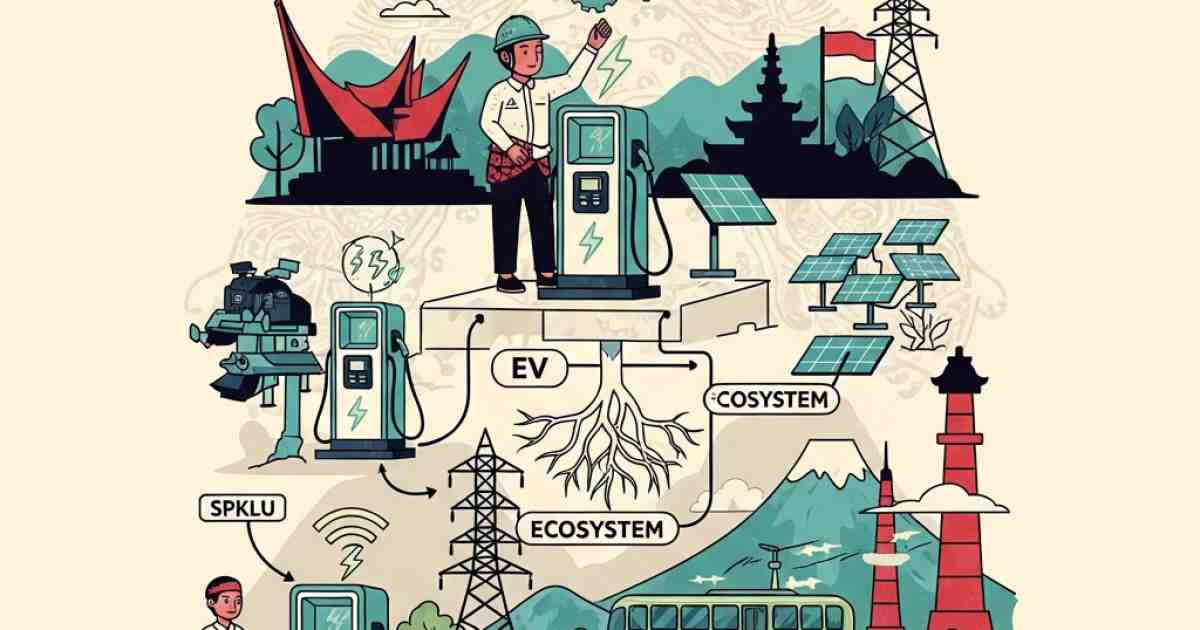
The global shift toward clean energy is increasingly inevitable, and Indonesia is moving quickly to respond by encouraging the adoption of electric vehicles (EVs). Amidst this momentum, the vital role of local players like CASAN has taken center stage. It is not just about building infrastructure, but about how CASAN builds SPKLU charging stations across Indonesia to support homegrown creations!—an ambitious vision for the success of the national EV ecosystem. This is not just about charging stations, but about the foundation of a sustainable transportation future deeply rooted in local innovation and capacity. Let's dive into the strategy behind this monumental effort.CASAN Strategy Pillars: Innovation and Local Capacity in SPKLU Development
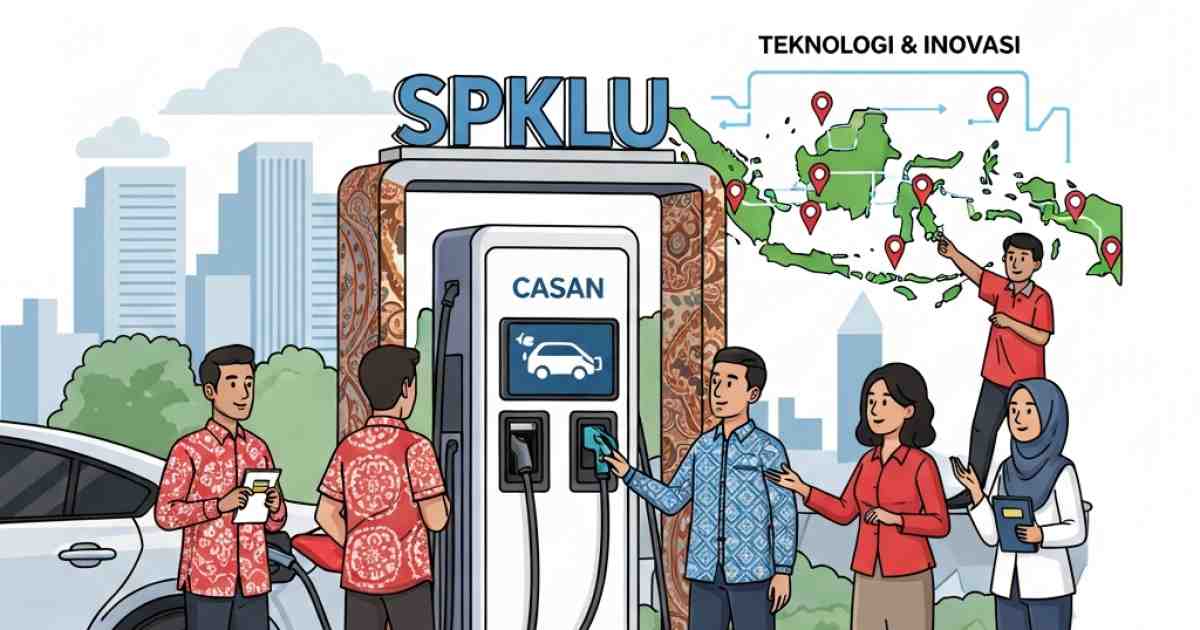
CASAN's strategy in developing the SPKLU network across Indonesia is based on the pillars of technological innovation and local capacity empowerment. This means not only importing ready-to-use technology, but also investing in the research and development of SPKLU components tailored to Indonesia's geographical and climatic conditions. According to data from the Ministry of Energy and Mineral Resources (ESDM), accelerating the development of the electric vehicle ecosystem is crucial to achieving the net-zero emission target, and support for the domestic industry is key. CASAN sees great potential in collaborating with local engineers, technicians, and manufacturers to produce vital components such as charging modules, energy management systems, and operational software. This approach not only reduces costs, but also ensures the availability of spare parts and ease of maintenance, a crucial aspect for the operational sustainability of SPKLUs even in remote areas.Geographical Challenges and Adaptive Solutions in CASAN Building SPKLU Charging Stations Across Indonesia, Support the Nation's Own Creation!
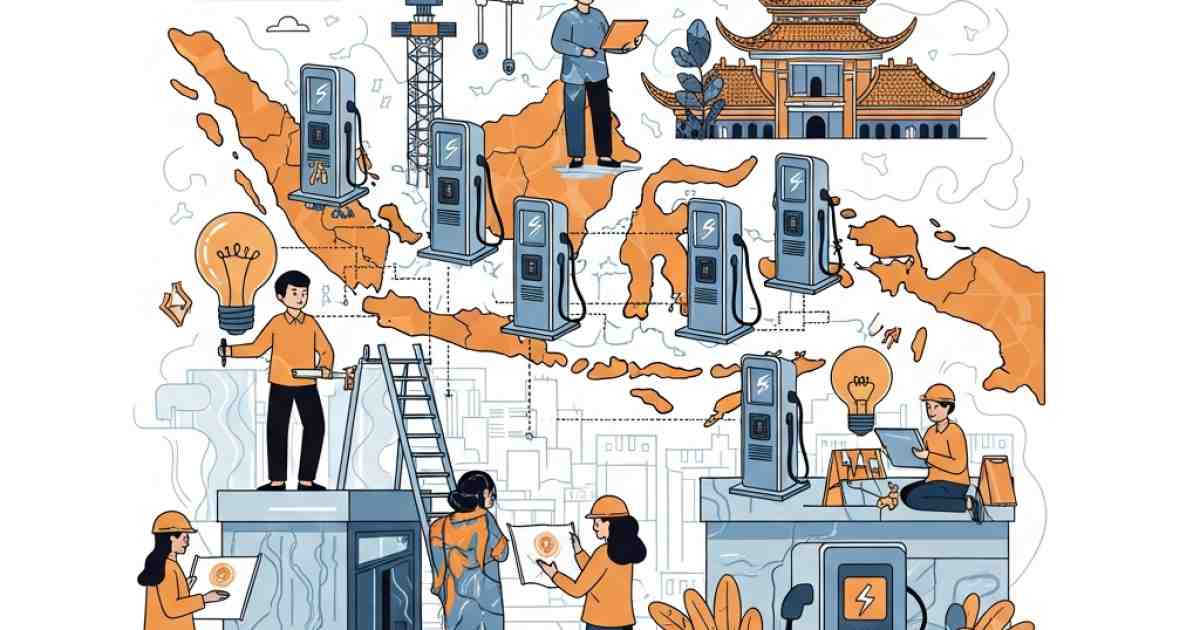
Building infrastructure in an archipelagic country like Indonesia presents unique challenges, especially in terms of energy distribution and connectivity. CASAN faces logistical issues, land availability, and stable electricity supply in various locations. To overcome this, CASAN's strategy emphasizes adaptive solutions: the development of modular SPKLU (electric vehicle charging stations) that are easy to install and relocate, as well as integration with renewable energy sources such as solar panels in locations that are difficult to reach by the main power grid. Strategic partnerships with local governments and local businesses are also key to simplifying licensing and ensuring community acceptance. Thus, CASAN's efforts to build SPKLU charging stations across Indonesia to support the work of the nation's children! are not only an infrastructure project, but also a regional economic empowerment program.Building a Sustainable Ecosystem: Collaboration and Economic Implications
CASAN's vision goes beyond mere physical development. The company is determined to build a sustainable EV ecosystem, where every EV charging station (SPKLU) serves not only as a charging point, but also as a service and information hub. Collaboration with navigation app providers, digital payment service providers, and even local MSMEs around the SPKLU is part of this strategy. The economic implications of this approach are highly significant: job creation, knowledge and technology transfer to local human resources, and increasing the added value of the domestic industry. With a focus on local content, Indonesia has the potential to become a key player in the global EV supply chain, not only as a market, but also as an innovative producer.Conclusion
The journey of CASAN building SPKLU charging stations across Indonesia to support the work of the nation's children! is a reflection of a strong commitment to a clean energy future and national technological independence. This is a strategic effort that not only targets the construction of physical infrastructure, but also empowers local innovation, overcomes geographical challenges, and creates a sustainable ecosystem. With solid collaboration and a clear vision, CASAN is paving the way for Indonesia to become a leader in the energy transition, fully supported by the spirit and best work of the nation's children.Smart Updates in a World That is Too Fast with Nuupdate.com

Diskusi & Komentar
Bagikan insight kamu, ajukan pertanyaan, dan bantu pembaca lain memahami topik ini dari sudut pandang yang berbeda.